
The Future of Fashion Marketing: How AI Is Reshaping Content Creation and Customer Experience
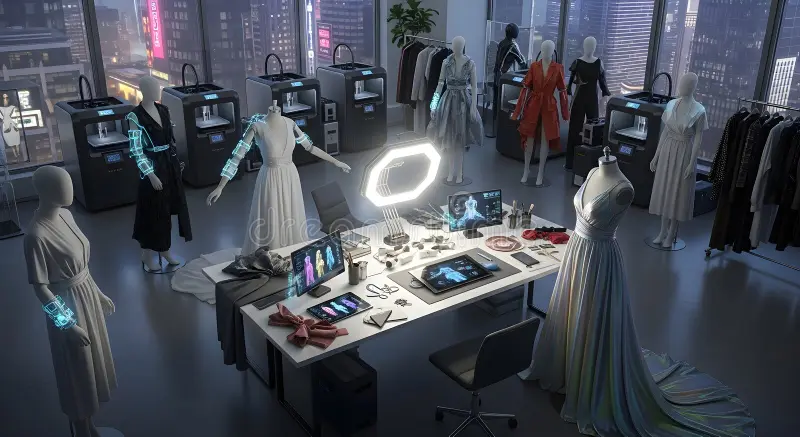
Fashion has always been an industry driven by creativity, trends, and consumer behavior. For decades, brands relied on traditional advertising, celebrity endorsements, fashion magazines, and runway shows to connect with audiences. Today, however, the fashion landscape is undergoing a major transformation. Artificial Intelligence (AI) is changing how fashion brands create content, understand consumers, and deliver personalized experiences.
From AI-generated marketing campaigns to virtual try-ons and personalized shopping recommendations, technology is becoming an essential part of modern fashion marketing. The brands that successfully embrace AI are not replacing creativity; they are enhancing it with data-driven insights and smarter customer experiences.
The Evolution of Fashion Marketing
The journey of fashion marketing has evolved dramatically over the years. In the past, consumers discovered fashion trends through magazines, television advertisements, and physical stores. Today, social media platforms such as Instagram, TikTok, Pinterest, and YouTube have become powerful marketing channels.
Consumers no longer wait for seasonal fashion catalogs. They expect instant access to trends, personalized recommendations, and engaging digital experiences. As customer expectations continue to rise, fashion brands are turning to AI to meet these demands more efficiently. AI is helping brands analyze consumer preferences, predict future trends, and deliver highly relevant content to the right audience at the right time.
AI-Powered Content Creation
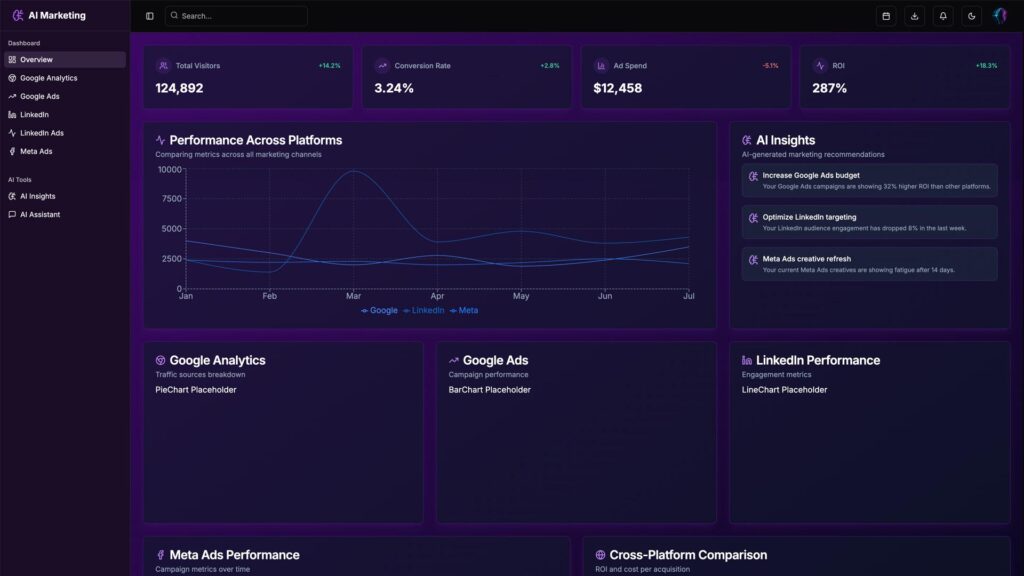
Content is at the heart of digital marketing, but producing high-quality content consistently can be time-consuming and expensive. AI is helping fashion brands streamline this process by generating product descriptions, social media captions, advertising copy, and even visual content.
Many brands now use AI tools to create personalized email campaigns, social media posts, and promotional materials based on customer behavior and preferences. This allows marketing teams to focus more on strategy and creative direction rather than repetitive tasks.
However, AI does not eliminate the need for human creativity. While AI can generate content quickly, successful campaigns still require emotional storytelling, cultural understanding, and brand authenticity. Industry experts increasingly emphasize that as AI-generated content becomes widespread, human creativity and originality become even more valuable.
Personalization: The New Standard
Modern consumers expect brands to understand their preferences. Generic marketing messages are becoming less effective as shoppers seek personalized experiences.
AI enables fashion brands to analyze browsing history, purchase behavior, style preferences, and customer interactions to deliver tailored recommendations. Instead of showing the same products to every visitor, AI can recommend items based on individual tastes and shopping habits.
Companies across the fashion industry are using AI-powered recommendation systems, virtual styling assistants, and personalized shopping experiences to improve customer satisfaction and increase conversion rates. Personalized marketing not only improves engagement but also strengthens customer loyalty by making consumers feel understood and valued.
Virtual Try-Ons and the Rise of Digital Shopping
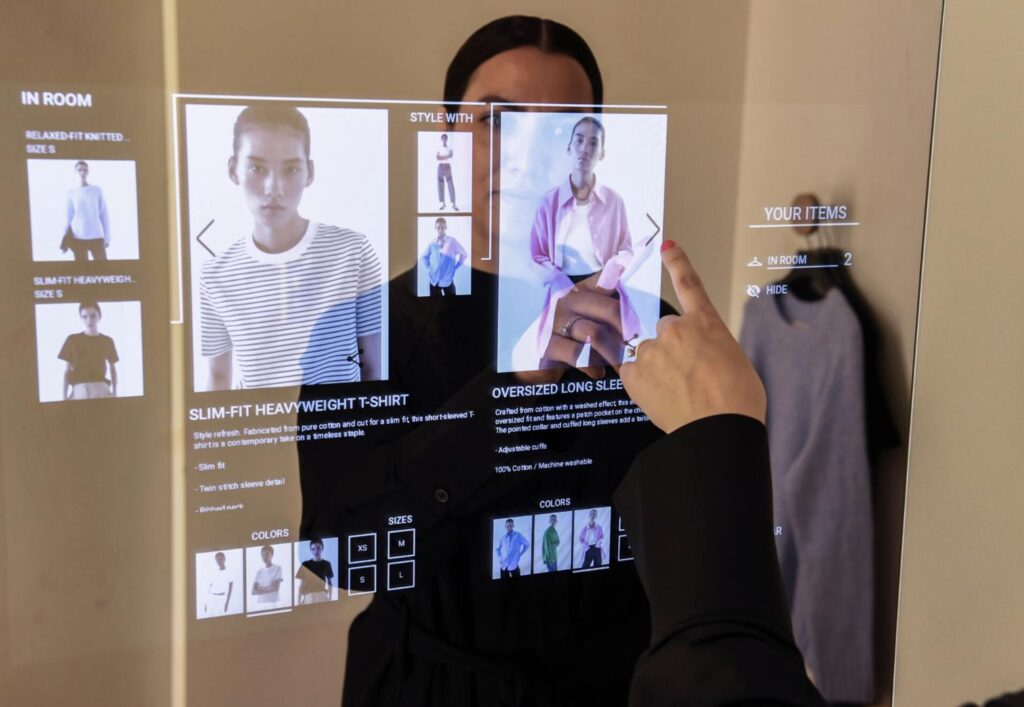
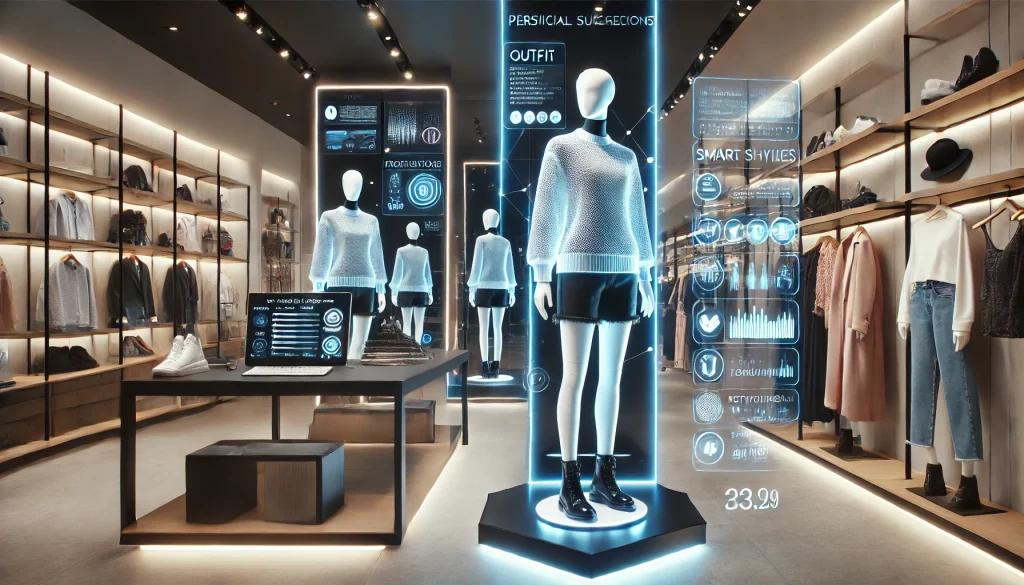
One of the biggest challenges in online fashion retail is the inability to physically try products before purchasing. AI-powered virtual try-on technology is helping solve this problem.
Consumers can now upload photos of themselves and visualize how clothing, accessories, or makeup products will look before making a purchase. This creates a more interactive shopping experience while reducing uncertainty and return rates.
Several fashion technology companies are investing heavily in virtual fitting rooms and AI-driven styling solutions. These innovations are bridging the gap between online and offline shopping, making digital commerce more immersive and customer-friendly.
Trend Forecasting Through Data
Fashion trends can change rapidly. Missing a trend can result in lost opportunities, while overestimating demand can lead to excess inventory.
AI is helping brands predict trends more accurately by analyzing vast amounts of data from social media platforms, search behavior, online conversations, and purchasing patterns. Rather than relying solely on intuition, fashion marketers can make informed decisions based on real-time insights.
This ability to forecast demand helps brands optimize inventory management, reduce waste, and respond quickly to changing consumer preferences. AI is becoming a valuable tool for both creative and business decision-making within the fashion industry.
Social Media Marketing in the Age of AI
Social media remains one of the most influential marketing channels for fashion brands. AI is transforming how brands manage and optimize their social media strategies.
AI tools can analyze audience engagement, identify the best posting times, track campaign performance, and suggest content ideas based on emerging trends. Brands can also use AI to segment audiences and deliver highly targeted advertisements.
Another emerging trend is the rise of AI-generated influencers. These virtual personalities are being used by brands to promote products and engage audiences online. While they offer cost-effective opportunities for content creation, they also raise important questions about transparency and consumer trust. As AI-generated content becomes more common, authenticity will become a key factor in maintaining strong customer relationships.
Challenges and Ethical Considerations
Although AI offers significant opportunities, it also presents challenges. Consumers are becoming increasingly aware of how their data is collected and used. Fashion brands must prioritize privacy, transparency, and ethical AI practices.
There are also concerns about overreliance on automation. Fashion is deeply connected to culture, creativity, and human expression. AI can support decision-making, but it cannot fully replace human intuition, emotional intelligence, or creative vision.
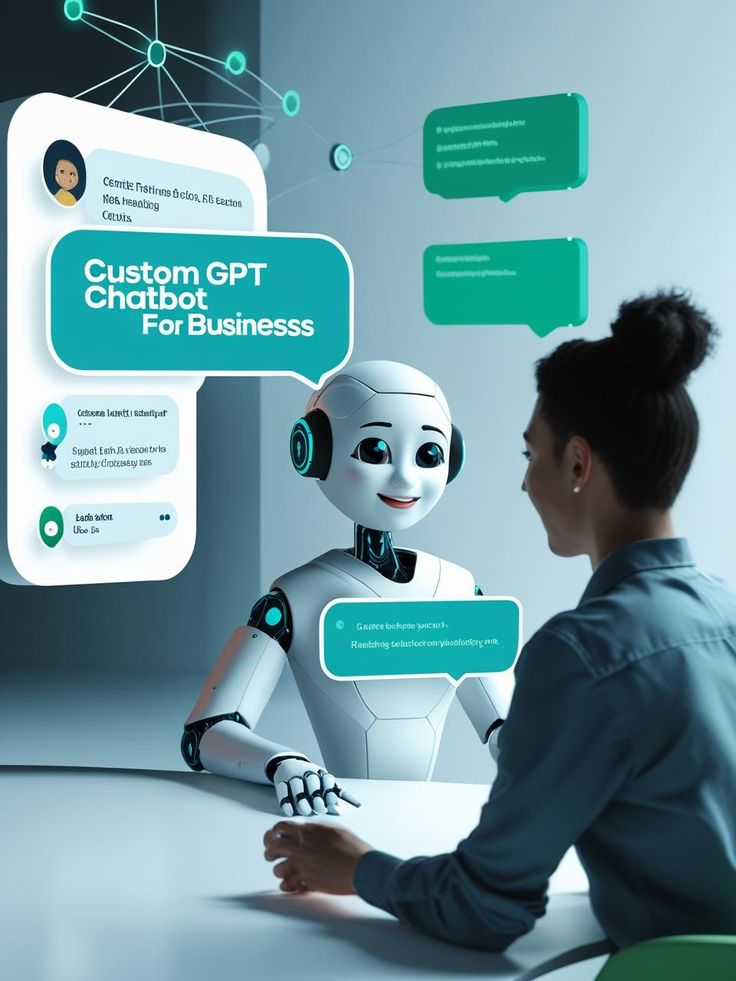
The most successful brands will be those that find the right balance between technology and authenticity. AI should be viewed as a tool that enhances human creativity rather than replaces it.
What the Future Looks Like
The future of fashion marketing will be defined by personalization, automation, and immersive digital experiences. Consumers will increasingly interact with AI-powered shopping assistants, receive customized product recommendations, and engage with brands through highly personalized content.
At the same time, the value of human creativity will continue to grow. As AI makes content creation faster and more accessible, originality, storytelling, and emotional connection will become the true differentiators for fashion brands.
Fashion marketing is entering a new era where technology and creativity work together. Brands that embrace AI while maintaining authenticity will be better positioned to build meaningful customer relationships and remain competitive in an increasingly digital marketplace.
Conclusion
Artificial Intelligence is no longer a futuristic concept in fashion marketing. It is already transforming how brands create content, understand consumers, and deliver personalized experiences. From virtual try-ons and trend forecasting to AI-generated content and predictive analytics, the technology is reshaping every stage of the customer journey.
However, the future of fashion marketing is not about choosing between humans and machines. It is about combining the efficiency of AI with the creativity, empathy, and storytelling that only humans can provide. In a world driven by innovation, the brands that successfully blend both will lead the future of fashion.