
Why Personal Branding Matters in the Digital Age
In a world where almost everything happens online, first impressions are no longer made through handshakes or face-to-face conversations. More often than not, they are formed through a Google search, a LinkedIn profile, an Instagram page, or a personal website. Before a recruiter schedules an interview, before a client sends an inquiry, and before a company offers an opportunity, they often take a look at a person’s digital presence.
This shift has made personal branding more important than ever. Whether you are a student, a job seeker, a freelancer, an entrepreneur, or a working professional, your personal brand influences how people perceive you. It is no longer reserved for celebrities, influencers, or business leaders. Today, everyone has a personal brand, whether they actively build one or not.
The important question isn’t whether you have a personal brand, but what impression it leaves.
Understanding Personal Branding
Personal branding is the process of creating and managing how people perceive you professionally and personally. It reflects your skills, values, expertise, experiences, and the unique qualities that set you apart from others.
Many people assume that personal branding simply means promoting yourself or trying to attract attention on social media. In reality, it is about building trust and credibility. It is about giving people a clear understanding of who you are, what you do, and the value you can offer.
Every LinkedIn post, blog article, portfolio project, social media update, and professional interaction contributes to your personal brand. Over time, these elements create a digital identity that speaks on your behalf, even when you are not actively presenting yourself.
Why Personal Branding Matters More Than Ever

Hiring practices have evolved dramatically over the past ten years. Recruiters no longer rely solely on resumes and cover letters. They look beyond formal applications to understand a candidate’s skills, interests, communication style, and professional engagement.
Employers often form positive opinions before the interview when your personal brand is strong. When recruiters find a well-maintained LinkedIn profile, insightful content, professional achievements, and evidence of continuous learning, they gain confidence in the candidate’s abilities.
A strong personal brand can open doors to opportunities that traditional job applications often can’t. Professionals with a strong online presence are more likely to attract freelance projects, networking opportunities, collaborations, speaking invitations, and career advancements.
In many cases, opportunities come not because someone applied for them, but because they became visible to the right people.
The Role of Social Media in Personal Branding
Social media has evolved far beyond entertainment and personal updates. It has become one of the most powerful tools for building professional visibility and authority.
Platforms such as LinkedIn, Instagram, X, and YouTube allow individuals to share their knowledge, experiences, and perspectives with a global audience. These platforms provide opportunities to showcase expertise, connect with industry professionals, and establish credibility within specific fields.
For digital marketers, social media serves as both a learning platform and a portfolio. Every piece of content shared online demonstrates communication skills, creativity, industry awareness, and audience engagement.
Success in personal branding doesn’t depend on posting all the time. It is about posting with purpose. A few meaningful and valuable contributions often create a stronger impact than frequent content with little relevance.
Consistency is equally important. A professional image should remain consistent across platforms, creating a clear and recognizable identity.

Content Creation as a Personal Branding Tool
Creating valuable content is one of the strongest ways to establish your personal brand. Content allows individuals to demonstrate expertise rather than simply claiming it.
Anyone can write “digital marketer” in a profile headline. Fewer people can support that title with thoughtful blog articles, case studies, marketing insights, and practical projects.
Content creation creates opportunities to share knowledge, discuss industry trends, solve problems, and contribute meaningful ideas. It helps establish authority within a specific field while building trust among audiences.
Blogs, LinkedIn articles, videos, podcasts, newsletters, and portfolio projects all contribute to personal branding. Every piece of content acts as a digital asset that continues working long after it has been published.
Over time, consistent content creation helps individuals become recognized for their expertise, making them more memorable to recruiters, employers, and clients.
Common Personal Branding Mistakes
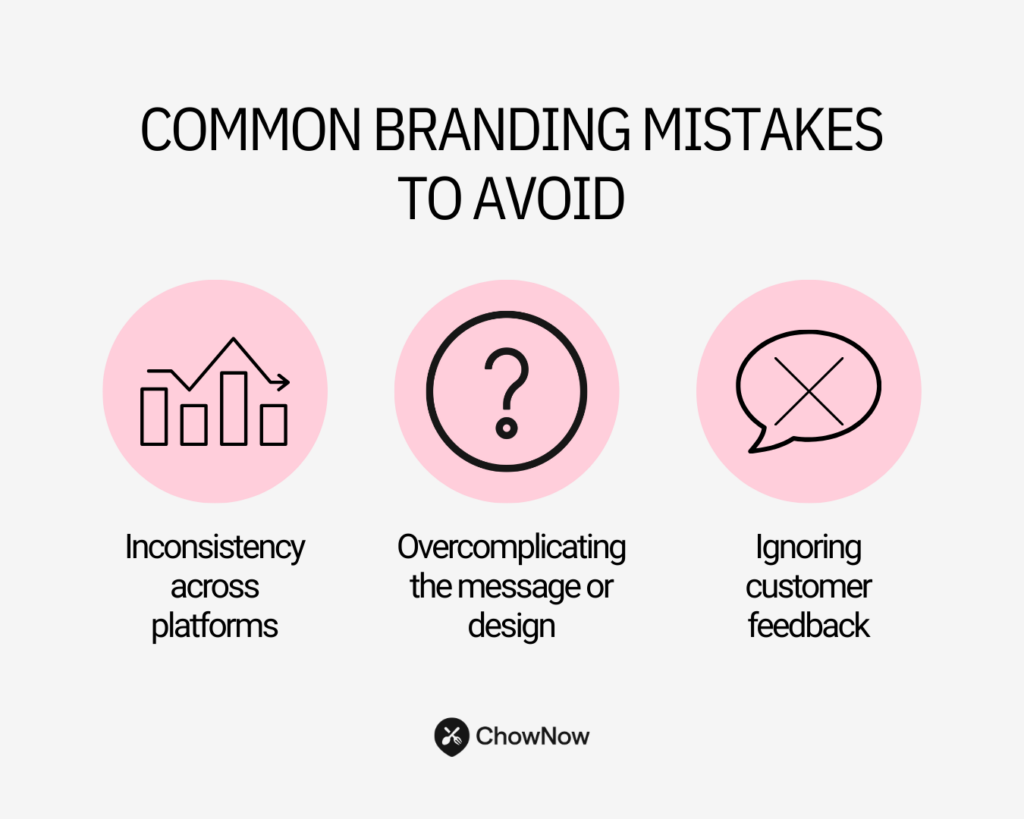
Despite its importance, many professionals unintentionally weaken their personal brand through avoidable mistakes.
One of the most common mistakes is inconsistency. Having different information, outdated profiles, or conflicting messages across platforms can create confusion and reduce credibility.
Another mistake is focusing solely on self-promotion. People connect more with posts that provide useful knowledge than with posts that only celebrate personal achievements. Successful personal brands focus on helping, educating, and inspiring others rather than seeking attention.
Many people also underestimate the importance of professionalism. Inappropriate content, negative interactions, and poor communication can damage a reputation that took years to build.
Perhaps the biggest mistake is inactivity. Creating a LinkedIn profile or portfolio website is only the first step. Personal branding requires ongoing effort, continuous learning, and regular engagement.
A neglected online presence can quickly become invisible in a highly competitive digital environment.
Building a Strong Personal Brand in 2026
Building a personal brand does not require thousands of followers or viral content. It begins with clarity and consistency.
The first step is identifying a professional focus. People should immediately understand your area of expertise when they visit your profile or website. A clear focus helps build recognition and authority over time.
The second step is optimizing professional platforms such as LinkedIn and personal portfolios. Profiles should accurately reflect skills, experiences, achievements, and career goals.
Creating valuable content is another essential component. Sharing insights, lessons learned, project experiences, industry trends, and practical knowledge helps establish credibility while providing value to others.
Networking also plays a significant role. Engaging with professionals, participating in discussions, and building meaningful connections contribute to long-term growth and visibility.
Finally, authenticity remains one of the most valuable qualities in personal branding. People connect with genuine experiences, honest perspectives, and real stories. Authenticity builds trust, and trust remains the foundation of every successful personal brand.
The Future of Personal Branding
As technology continues to evolve, personal branding will become even more important. Artificial intelligence is transforming recruitment, networking, and professional communication. Digital portfolios are replacing traditional resumes. Employers increasingly value online visibility alongside qualifications and experience.
In the coming years, personal brands will become powerful professional assets that influence hiring decisions, business opportunities, and career growth.
People who start strengthening their online presence now will be better positioned as the digital world becomes more connected.
Conclusion
Personal branding is no longer a luxury or an optional career strategy. It has become an essential part of professional success in the digital age. The way people present themselves online influences opportunities, relationships, and long-term career growth.
A strong personal brand is not built overnight. It requires consistency, authenticity, and a willingness to share knowledge and experiences. However, the rewards can be significant. Increased visibility, stronger credibility, meaningful professional connections, and new opportunities often emerge from a well-established personal presence.
In a competitive digital landscape, skills and qualifications remain important. Yet, the ability to communicate those strengths effectively through a personal brand can be the factor that sets one individual apart from hundreds of others.
Your personal brand reflects how people recognize and remember you online. The sooner you start building it, the stronger your future opportunities become.